

Introduction
Having a better lifestyle does not always mean making dramatic changes. Often, the biggest difference comes from small choices that make your days more organized, comfortable, productive, and enjoyable.
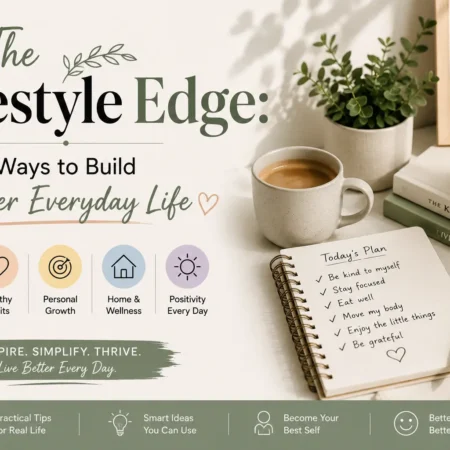
The Lifestyle Edge can be thought of as a practical approach to improving everyday life without making it unnecessarily complicated. From creating healthier routines and managing your time to making space for hobbies, relationships, rest, and personal growth, small improvements can add up over time.
This guide explores simple lifestyle ideas that are realistic for busy people. Whether you want to become more productive, reduce daily stress, improve your routine, or simply enjoy your free time more, these practical strategies can help you create a lifestyle that feels more balanced and intentional.
What Does “The Lifestyle Edge” Mean?
The Lifestyle Edge is not about having a perfect life. It is about finding practical ways to make everyday living work better for you.
That could mean:
- Creating a morning routine that gives your day structure
- Organizing your schedule more effectively
- Making your home more comfortable
- Finding time for hobbies and interests
- Building better social connections
- Taking regular breaks from screens
- Making time for rest and recovery
- Setting realistic personal goals
The key idea is intentional living. Instead of letting every day happen automatically, you make thoughtful choices about how you spend your time and energy.
7 Simple Ways to Get the Lifestyle Edge
1. Build a Routine That Actually Fits Your Life
A routine can make everyday responsibilities easier to manage. But an effective routine does not need to be complicated.
Start with a few consistent habits:
- Wake up around the same time when possible.
- Decide what your most important task is for the day.
- Leave some flexibility in your schedule.
- Set aside time for meals and breaks.
- Create a simple evening wind-down routine.
The goal is not to fill every minute. A good routine should give your day structure while still leaving room for unexpected events.
2. Make Your Home Work for You
Your surroundings can influence how comfortable and organized your daily life feels.
You do not need an expensive makeover. Small changes can make a noticeable difference.
Try:
- Removing items you no longer use
- Keeping frequently used things within easy reach
- Creating a dedicated workspace
- Improving lighting where you spend the most time
- Keeping commonly used surfaces uncluttered
- Adding personal touches such as photographs, plants, or artwork
A more functional environment can make everyday tasks feel easier.
3. Improve Your Time Management
Being busy does not necessarily mean being productive.
One simple approach is to separate tasks into three groups:
| Priority | Type of Task | Example |
|---|---|---|
| High | Important and time-sensitive | Work deadline |
| Medium | Important but flexible | Planning or studying |
| Low | Optional | Non-essential errands |
Start your day by identifying one or two high-priority tasks. Completing those before getting distracted by less important activities can help you use your time more effectively.
The Lifestyle Edge and Personal Well-Being
A balanced lifestyle also requires attention to physical and mental well-being.
Make Movement Part of Your Day
Exercise does not always have to mean a formal gym session. Depending on your circumstances, everyday movement can include:
- Walking
- Cycling
- Stretching
- Recreational sports
- Dancing
- Bodyweight exercises
- Outdoor activities
Choose activities you genuinely enjoy. Something sustainable is generally easier to maintain than a routine that feels like a chore.
Protect Your Sleep Routine
Sleep is an important part of everyday well-being. Instead of trying to completely change your schedule overnight, focus on creating consistent habits.
For example:
- Keep a relatively consistent bedtime.
- Reduce unnecessary screen use before bed.
- Make your bedroom comfortable and quiet.
- Avoid turning your bed into a workspace.
- Give yourself enough time to wind down.
Small improvements to your evening routine can make bedtime feel more intentional.
Create a Lifestyle That Includes Fun
Productivity is only one part of a satisfying lifestyle.
Free time matters too.
Hobbies can give you something to look forward to outside work, school, or other responsibilities. Your hobby could be anything from cooking and photography to reading, gaming, gardening, sports, music, travel, or creative projects.
Why Hobbies Matter
A hobby can help you:
- Explore new interests
- Develop skills
- Spend quality time away from routine responsibilities
- Connect with other people
- Express creativity
- Create memorable experiences
You do not need to become an expert. Enjoying the activity is reason enough.
The Lifestyle Edge at Work
A better lifestyle also involves finding healthier ways to approach work.
Try the “Important First” Method
Instead of starting your workday with every notification, message, and minor task, identify what actually needs your attention.
Ask yourself:
“If I could complete only one important task today, what would it be?”
Start there.
This simple question can help reduce the feeling of having too many competing priorities.
Create Boundaries
When possible, create a clear distinction between work and personal time.
For example:
- Finish work at a defined time.
- Keep work-related notifications limited outside working hours.
- Avoid checking emails constantly.
- Use separate spaces for work and relaxation when possible.
- Give yourself genuine breaks during long work sessions.
Healthy boundaries can make personal time feel more meaningful.
Build Better Social Connections
Lifestyle improvement is not only about individual habits. Relationships are an important part of everyday life too.
Make time for people who matter to you.
That might involve:
- Calling a family member
- Meeting a friend for coffee
- Joining a sports group
- Participating in a local activity
- Sharing a meal without distractions
- Checking in with someone you have not spoken to recently
You do not need a huge social circle. Meaningful connections can come from a small number of supportive relationships.
Simple Lifestyle Upgrades That Cost Little or Nothing
Improving your lifestyle does not require spending a lot of money.
Here are some low-cost ideas:
| Lifestyle Area | Simple Upgrade |
|---|---|
| Fitness | Take regular walks |
| Organization | Declutter one small area |
| Productivity | Write tomorrow’s priorities tonight |
| Hobbies | Learn something through free resources |
| Social life | Plan a regular catch-up |
| Home | Rearrange your workspace |
| Relaxation | Spend time outdoors |
| Personal growth | Keep a simple journal |
The best lifestyle changes are often the ones you can realistically continue.
Avoid the “Perfect Lifestyle” Trap
Social media can make it appear as though everyone else has perfectly organized homes, impressive routines, exciting careers, and unlimited free time.
Real life is different.
You do not need:
- A perfect morning routine
- An expensive home
- A strict productivity system
- Constant motivation
- A completely organized schedule
A useful lifestyle should fit your actual circumstances, not someone else’s highlight reel.
Instead of asking, “What does the perfect lifestyle look like?” ask:
“What would make my everyday life a little better?”
That question is much easier to act on.
A Simple 7-Day Lifestyle Reset
If you want to start immediately, try this one-week approach.
Day 1: Clean One Space
Choose one area of your home, desk, or workspace and make it more functional.
Day 2: Review Your Schedule
Identify where your time is going and remove one unnecessary commitment if possible.
Day 3: Move More
Add some enjoyable physical activity to your day.
Day 4: Disconnect
Spend a period of time away from unnecessary notifications and screens.
Day 5: Connect
Contact a friend or family member and spend some quality time together.
Day 6: Try Something New
Cook something different, visit somewhere nearby, read about a new subject, or start a small hobby.
Day 7: Reflect
Ask yourself:
- What made this week easier?
- What did I enjoy?
- What habit would I like to continue?
- What can I stop doing?
Use the answers to create your own longer-term routine.
How to Make Lifestyle Changes Stick
Starting is usually easier than maintaining a habit.
A practical strategy is to start smaller than you think you need to.
Instead of saying:
“I will completely change my lifestyle.”
Try:
“I will make one useful improvement this week.”
Small wins can create momentum.
You can also connect a new habit to something you already do. For example, you might stretch after brushing your teeth, plan tomorrow’s tasks after dinner, or take a short walk after finishing work.
The easier the habit is to remember and repeat, the more realistic it becomes.
Frequently Asked Questions
What is The Lifestyle Edge?
The Lifestyle Edge is a practical approach to improving everyday life through small, intentional choices. It can include better routines, time management, relationships, hobbies, organization, and personal well-being.
How can I improve my lifestyle without spending money?
You can improve your lifestyle without spending money by focusing on habits and routines. Walking, decluttering, planning your day, spending time with loved ones, reading, and reducing unnecessary screen time are examples of simple changes.
What is the easiest lifestyle habit to start?
One of the easiest habits to start is planning your top priorities for the next day. Spending a few minutes deciding what matters most can give your day more direction.
How can I balance work and personal life?
You can improve work-life balance by creating clearer boundaries between work and personal time. Setting working hours, taking breaks, limiting unnecessary notifications, and protecting your free time can help.
Do I need a strict daily routine?
No, you do not need a strict routine to have a better lifestyle. A flexible routine with a few consistent habits can provide structure without making your day feel restrictive.
How long does it take to improve your lifestyle?
There is no universal timeline for improving your lifestyle. Some changes can make an immediate difference, while others require consistent practice and adjustment over time.
Final Thoughts
The Lifestyle Edge is ultimately about making everyday life more intentional, comfortable, and enjoyable. You do not need to change everything at once.
Start with one area that matters to you—your routine, home, work habits, relationships, hobbies, or personal well-being. Make one practical improvement, see how it fits your life, and build from there.
A better lifestyle is not about perfection. It is about creating more days that work for you.

Other Articles

OnlyWorkMoods: Simple Ways to Make Your Workday Better.
SimplifyDiggs: Simple Ideas for Smarter Everyday Living.




No Comment! Be the first one.